Grange-over-Sands is the southern gateway to the Lake District, located on the Cumbrian coastline. It’s the perfect base for your next adventure, and easy to access from Manchester too; just 90 minutes drive away and a mile from foodie Cartmel,
The picturesque town rose in popularity during the Edwardian era, and it’s packed with reminders of this elegant past. Think ornate shop fronts, formal gardens, fountains and winding streets. Plus it’s on the doorstep of all the Lakes destinations you know and love.
Love hiking? Head up the local peak Hampsfell directly from Grange for views of the Lakeland Fells, Yorkshire Dales, Wales, Isle of Man and Blackpool Tower, while more famous hills like the Old Man of Coniston are a short drive away.
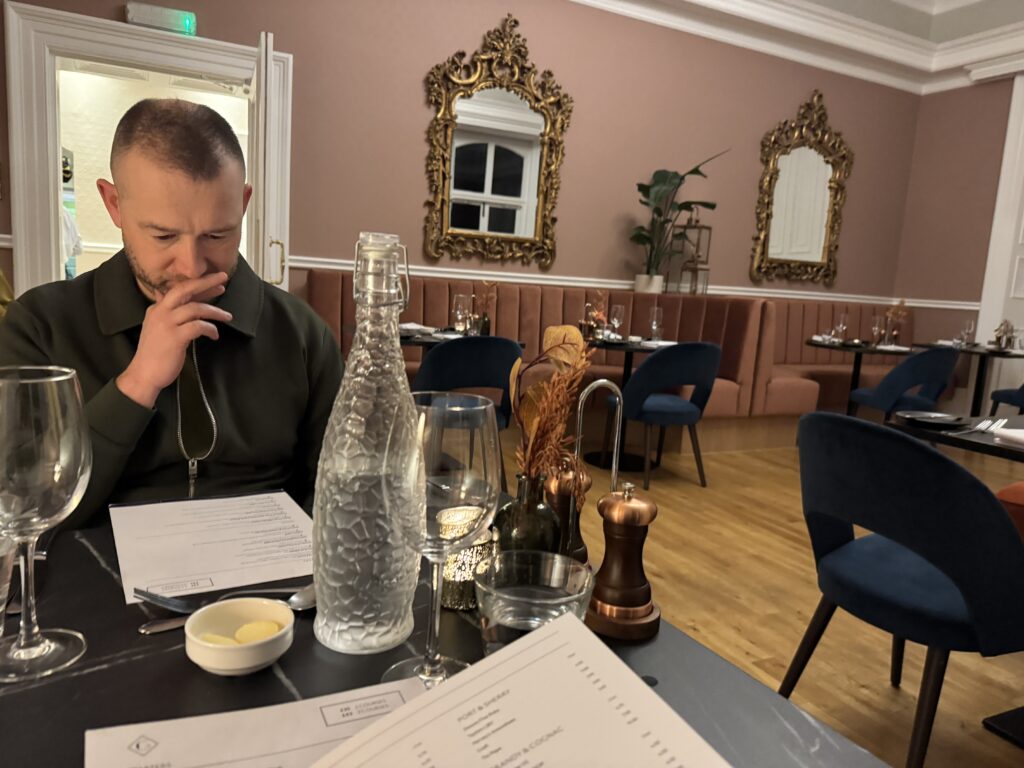
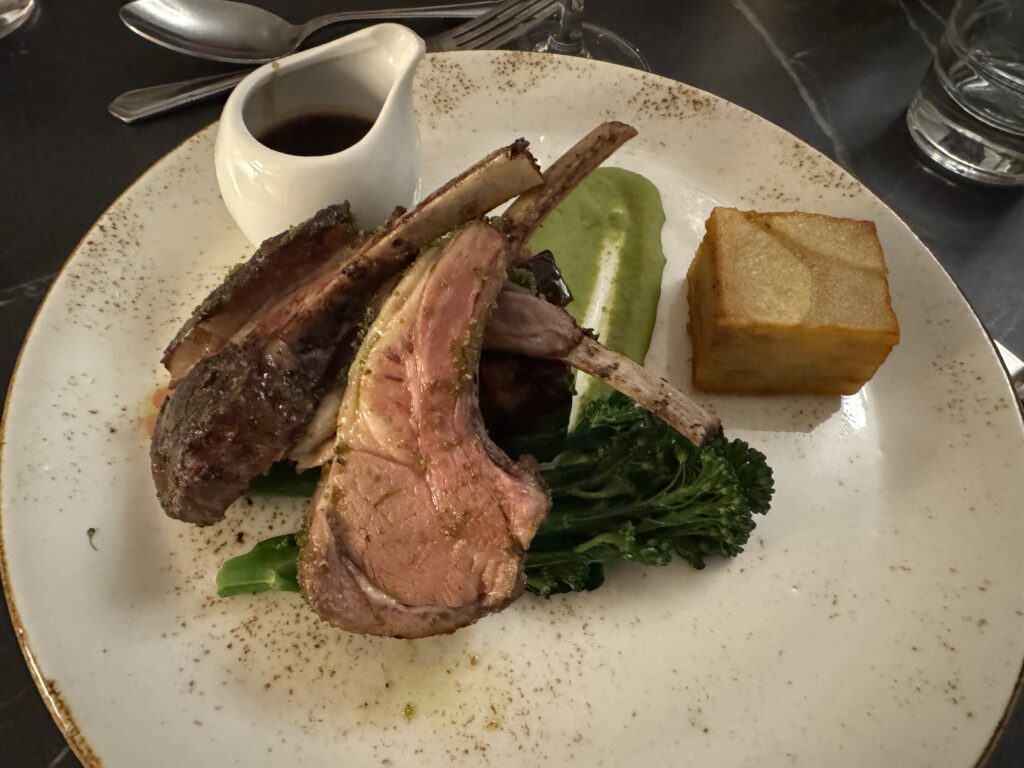
If food’s your thing, the newly renovated Grange Hotel offers locally sourced lamb and seafood by head chef Glady Hiribae, while Cartmel’s cosy Cavenish Arms, and Simon Rogan’s two Michelin star restaurants, Rogan & Co and L’Enclume are just around the corner. Heft is another local Michelin star (think set menu, and magical cooking from Simon Rogan’s former Head Forager, Kevin Tickle). A little further afield, the inventive Lake Road Kitchen and the cosy The Old Stamp House are two of my other Michelin-starred Lakes faves.
The Grange Hotel – retro chic
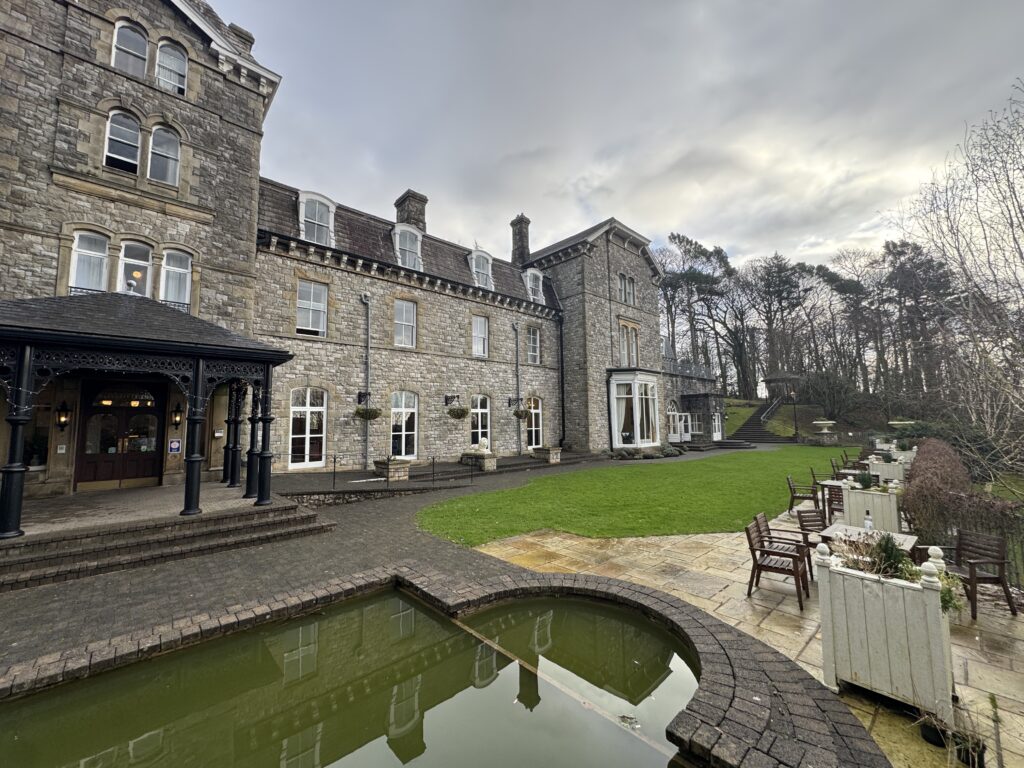
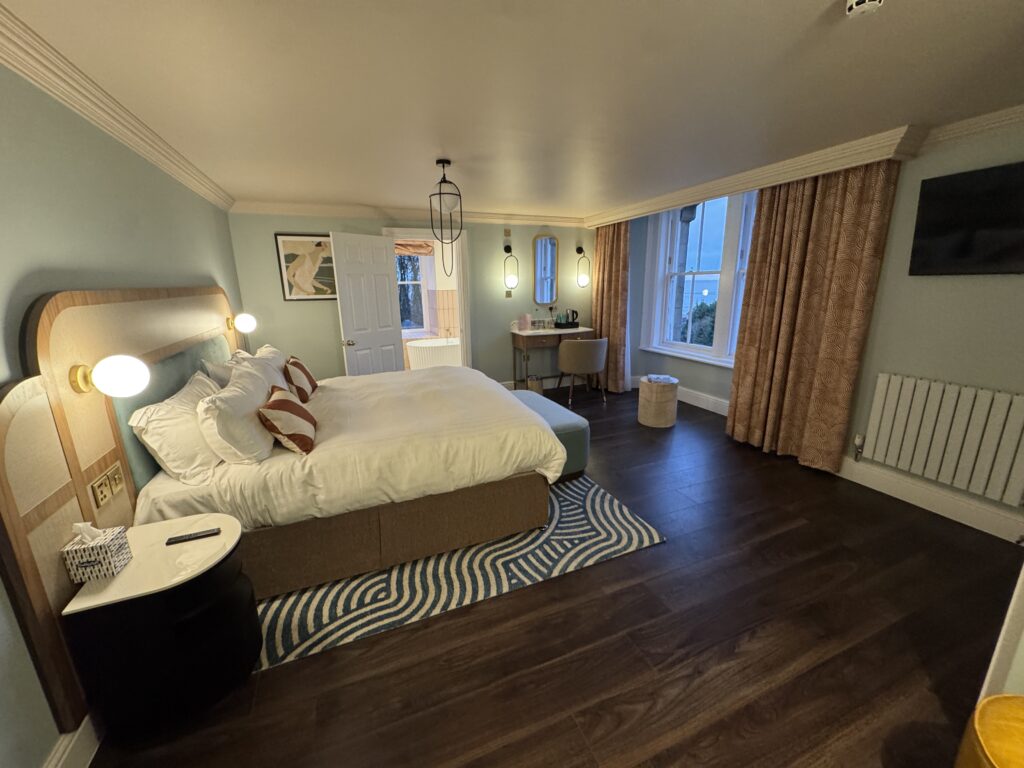
We spent two nights at the Grange Hotel, which won us over with it’s old school glamour and contemporary energy, not forgetting epic coastline views. Think spacious rooms, pink and gold bathrooms, huge, shell-shaped bathtubs and perfect serves. A revamped pool and spa and extensive grounds, complete with love swings and views of the estuary, make this a getaway fit for a honeymoon.
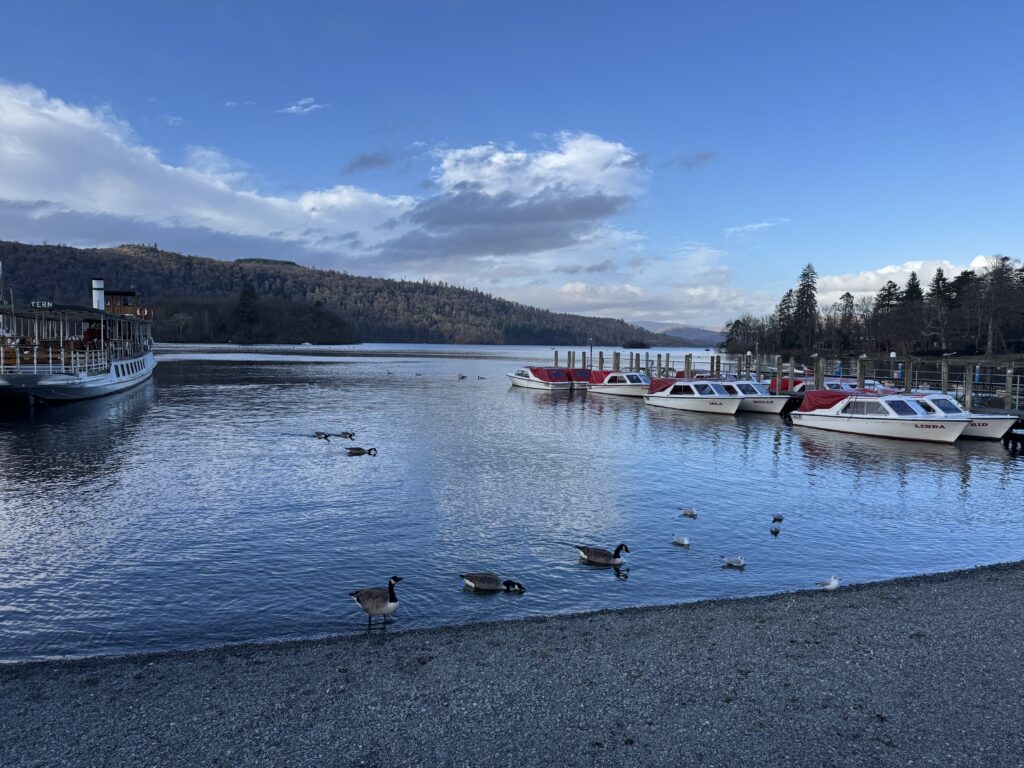
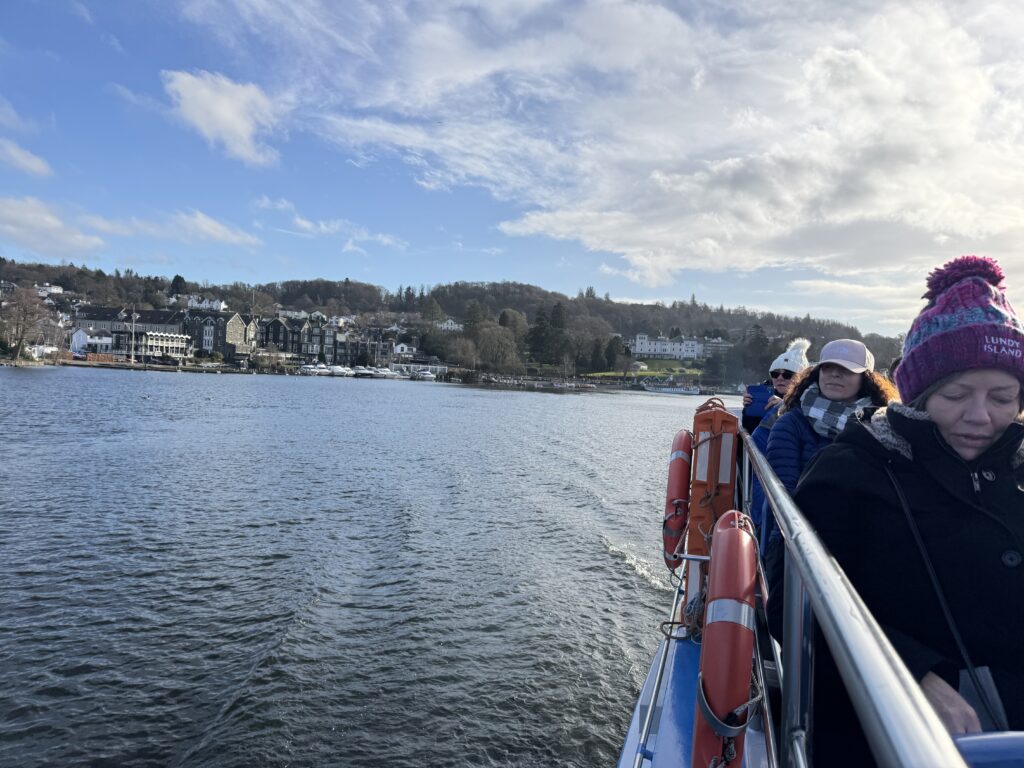
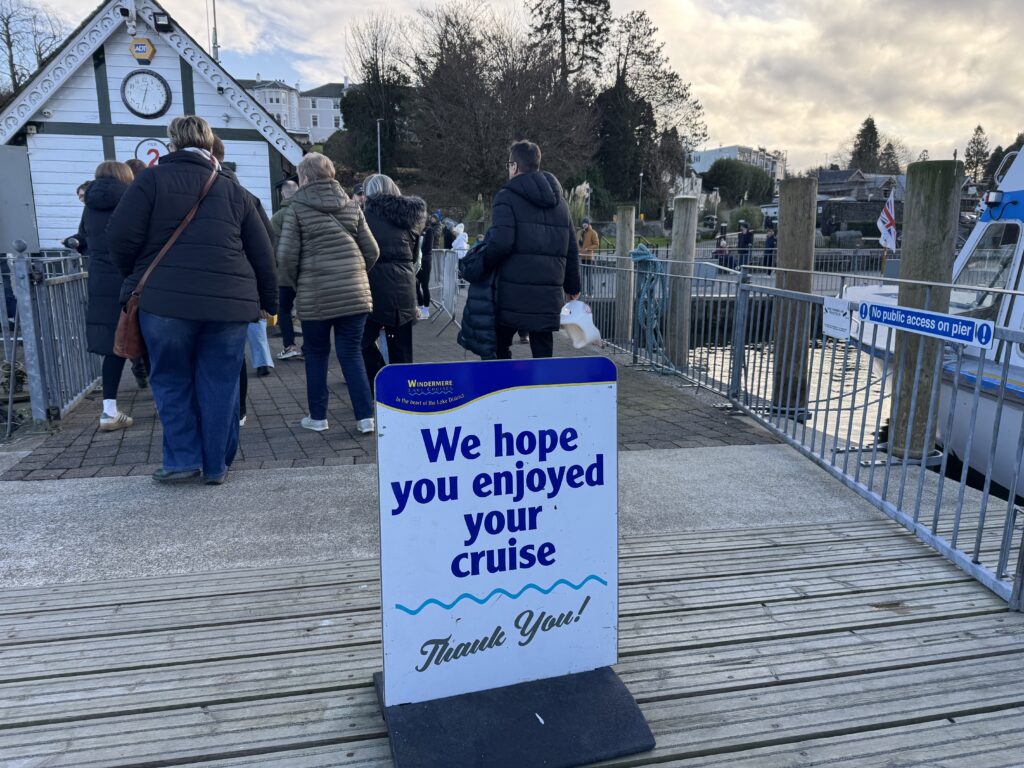
Breakfast is a smorgasbord of favourites; locally-sourced sausages, eggs cooked to order, pancakes, and pastries. We tucked in before kicking off our adventure with a cruise of Lake Windermere. On a sun-kissed Spring day, the 45 minute ‘blue’ island tour by the Windermere Lake Cruise Company was ideal. This relaxing ride offers ever-evolving views of the surrounding peaks, as well as a fascinating commentary.
Did you know that the lake is over 60 metres deep in parts? Or that over 10,000 vessels use this stretch of water each year? We sail past cormorants, and over eels, pike and perch, as all the British native trees in the land lines the shores (seriously – they’re all here). This modern-day bounty contrasts to long extinct species such as the Lily of the Valley which was overpicked by holidaying lovers in Edwardian times, leading to its rapid demise.
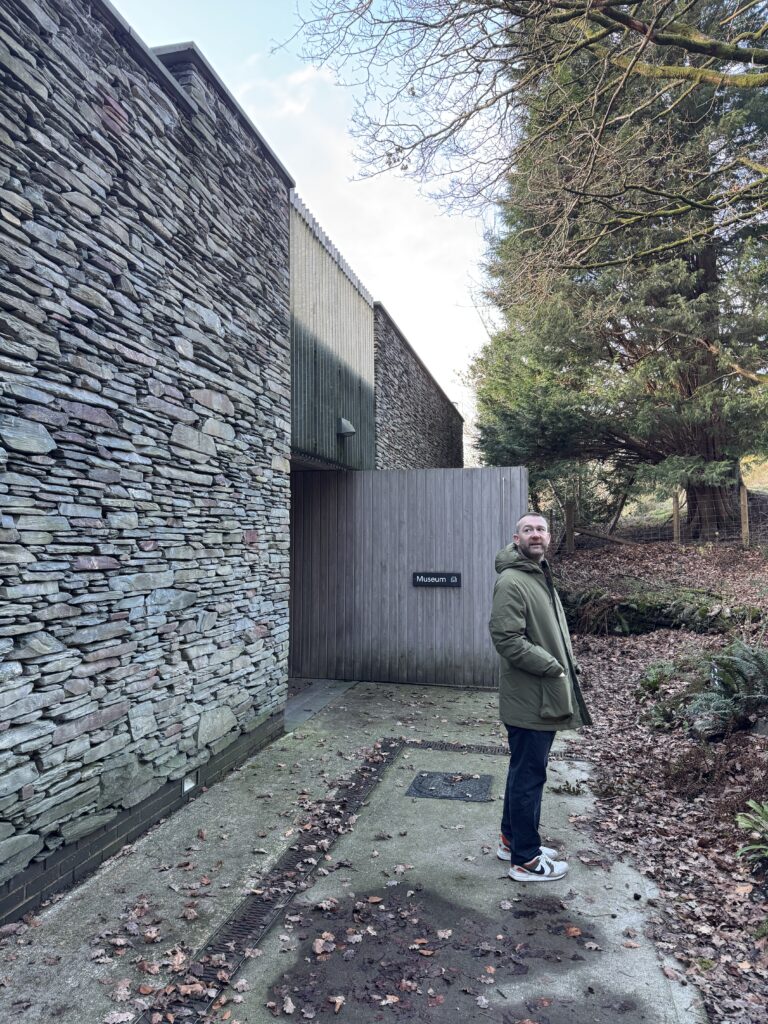
If architecture is your thing, look out for a 1700s era ‘round house’ on one of the many islands that dot the lake, the modern Windermere Jetty Museum, opened in 2019 (home to more than 40 vessels that have sailed these waters over the years), and the Victorian home of Mrs Grafton. This famous local resident’s love of cats and dogs are said to have inspired the books and drawings of a young Beatrix Potter.
Dove Cottage and the surrounding area
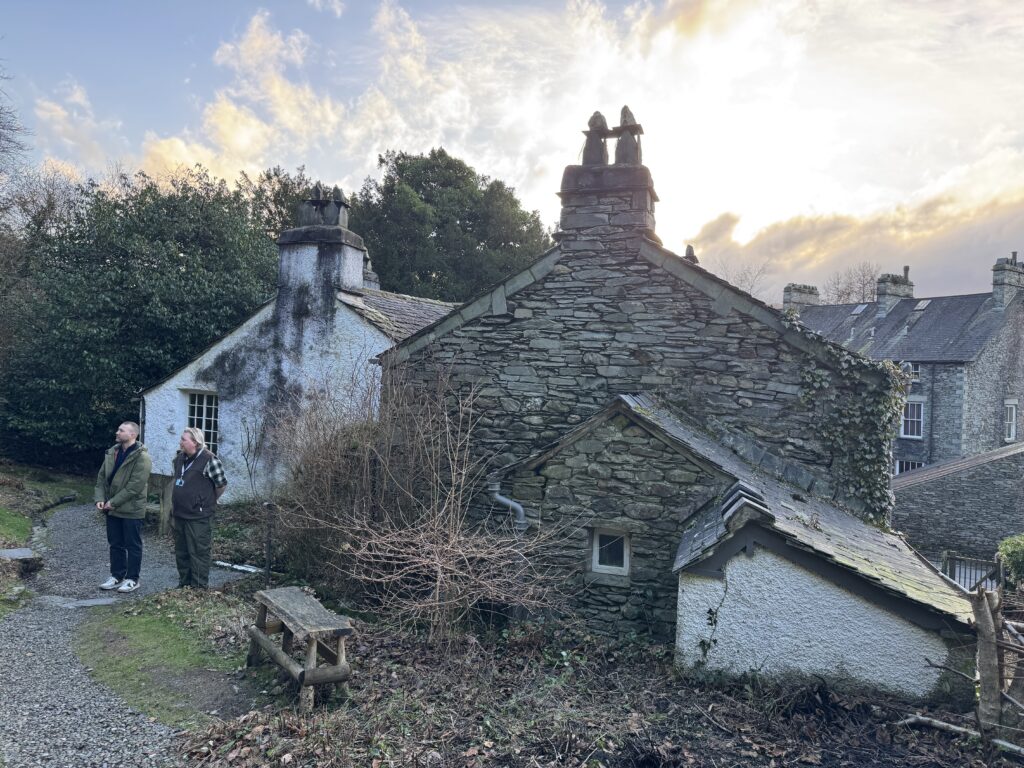
After a short stroll around the village of Bowness, stocking up on ice cream, and outdoor bargains, we headed deeper into the mountains to check out Grasmere’s Dove Cottage, home of the famous poet William Wordsworth during the most prolific period of his writing life.
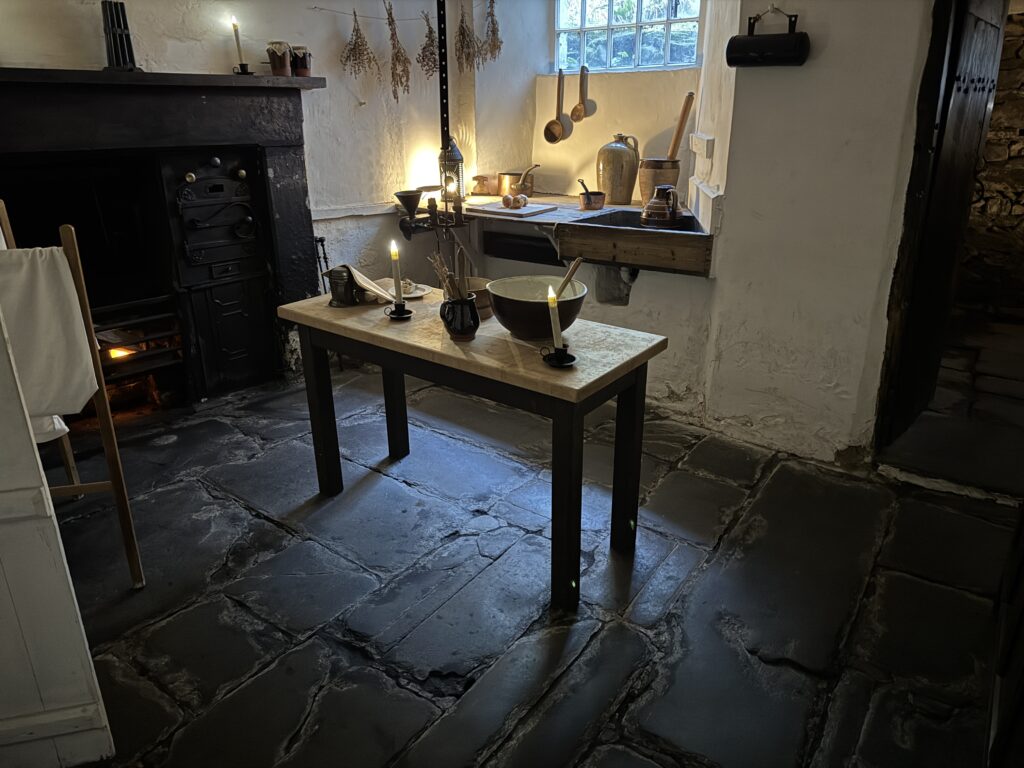
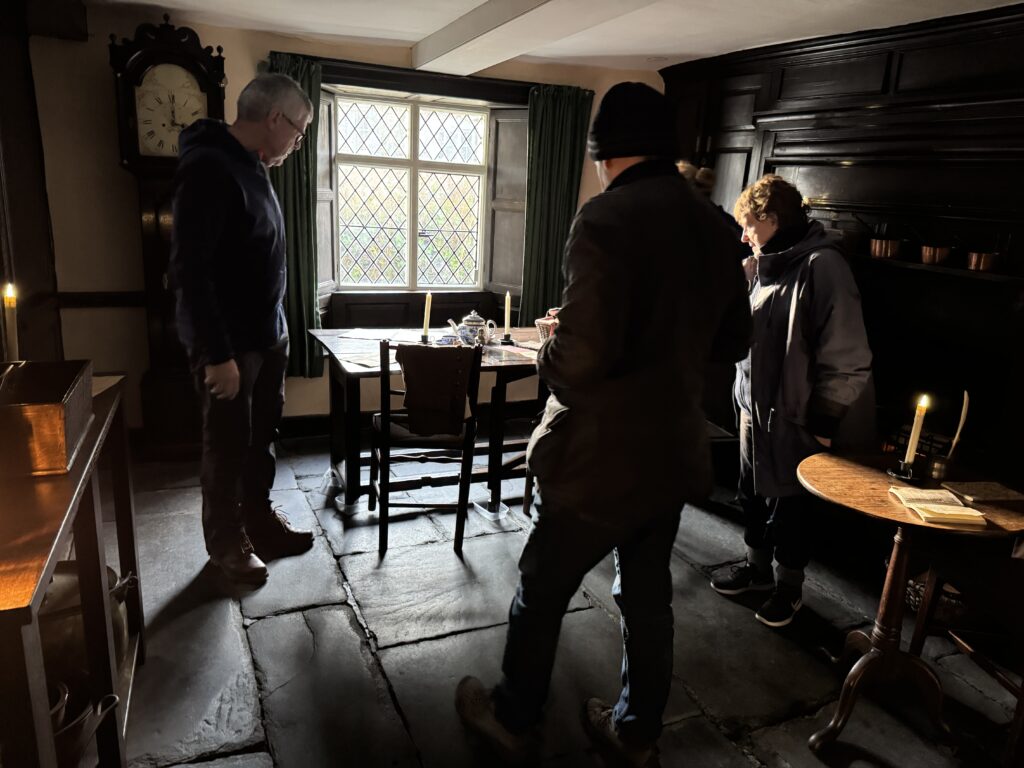
Wordsworth died in 1850 – and this house, which he lived in from 1802 to 1810 was taken over by the Wordsworth Trust in 1890. It’s one of the first three poets homes to be preserved in the UK, and as a result, an absolutely bounty of unique and original features remain. As you walk through the low door, the lighting is surprising; its hard to see in here, and would have been even darker when the only source of light was candle light. Each bed would have been filled with two people, even the tiny single beds in the upstairs rooms, while Wordsworth’s marital bed which he shared with Mary, was located in the downstairs lounge.
William’s sister, Dorothy, notes in her journals that the poet wrote the majority of his most famous works in this downstairs room, surrounded by visitors, children and family. The idea of a room of one’s own was a distant dream in this era, and the house gives a tangible sense of how bustling day-to-day life would have been.
Behind the house is an abundant garden, complete with a viewing platform over Lake Grasmere, before winding around to the complex’s modern museum building. The design reminds me of Yorkshire Sculpture park, such is its sense of harmony with the surroundings, tasteful colour scheme, and use of local slate and stone. Inside are lake-inspired watercolours, as well as many original manuscripts.
Cartmel, history and more
After pie and mash in Cartmel’s buzzing, 500-year-old Cavendish Arms, we sleep marvellously. Heading back home the next day, we’re full of memories, food and plans do all the surrounding peaks as soon as possible.
Grange really is a hub for the Lakes and one of its most appealing aspects is the sense of peace you feel, looking out over the estuary. This is a hideaway, perfect for a weekend break, which contrasts with the touristy bustle of the better-known lakes towns. I’ve stayed in Grange many times over the years as a long-term enthusiast. However, this was my first time at The Grange Hotel, and it’s firmly on my ‘must rebook’ list for 2026.
Stay
Grange Hotel, Station Square, Grange-over-Sands LA11 6EJ Book here
Eat
The Cavendish Arms, Cavendish St, Cartmel, Grange-over-Sands LA11 6QA, book here
Do
Windermere Lake Cruises Book here
Dove Cottage, Grasmere,
Cumbria, LA22 9SH Book here
- Words:
- Ruth Allan
- Published on:
- Tue 14 Apr 2026

