
Homotopia is the UK’s longest running festival of queer art and culture. This year, Manchester music legend, club promoter and producer Jayne Compton has been appointed Artistic Director and CEO, having stepped in as interim director. We know Jayne as the founder of Manchester’s Club Brenda, a fixture of the city’s nightlife through the late ’90s and noughties. She told us what she’s been up to since the old days (quite a lot, as it happens), what Liverpool’s queer scene can learn from Manchester and her five unmissable events from this year’s Homotopia festival.
Last time we saw you we were in the NQ in 2007! How did you end up running Homotopia?
I’ve spent more than 20 years producing and touring queer performance, and have worked with Homotopia for the past decade on a number of key commissions. These include David Hoyle’s Diamond (2017) and Ten Commandments (2023), Rent Party (2018) by Darren Pritchard and Cheryl Martin, Family Catwalk Extravaganza (2022), and The Holly Johnson Story (2024) at the Museum of Liverpool. I’m also producing The Paul O’Grady Story, at the Williamson Art Gallery, celebrating another Scouse icon from Birkenhead.
I’ve also been going to Homotopia Festival since it began in 2004, and have seen some fantastic shows and exhibitions, including work by John Waters, Maggi Hambling and April Ashley. Over the years, I’ve built a long standing relationship with the festival, so becoming Artistic Director feels like a natural next step.
You’re a year into the job. What surprised you most, and what’s been the biggest pinch-me moment so far?
I started my role as Artistic Director in June, and a real highlight has been programming Homotopia Festival 2026 for the autumn. We opened in unforgettable style with House of Suarez, celebrating 20 years of ballroom, vogue and queer artistry in the North. It was inspiring to see legendary artists Darren Suarez and Rikki Beadle-Blair on stage alongside the next generation of performers.
Do you have any advice for women looking to follow their dreams but feeling held back by their worries?
Since the late ’90s, I’ve worked on the margins, and in the 2000s I set up new spaces where people could make and present work that experimented with what might be possible, rather than fitting into what already existed. Manchester was the perfect place to do that because it had a lot of semi derelict buildings and used spaces. My advice is to give it a go. You don’t need to fit an existing scene or have everything figured out; sometimes the work is about creating the space you wish had been there for you.
The theme is We Come Together. Why did that feel like the right message for 2026?
Marking my first year as Artistic Director, We Come Together felt like the perfect message for Homotopia Festival 2026. The programme celebrates the breadth of queer creativity, bringing together dance, performance, film, club nights, digital and visual art. Liverpool is a city of extraordinary spirit, creativity and diversity. Homotopia brings LGBTQIA+ artists and audiences together for experiences that surprise, move and inspire. Building on the festival’s artistic and activist legacies, We Come Together is an invitation to experience transformative art, learn from our histories and imagine new futures.
We know you as a Mcr gal – is this still true or are you a Scouser now?
I learned my craft in Manchester’s alternative music and performance scene, spending many years at The Roadhouse, Star and Garter and Islington Mill, as well as at Club Brenda with Liverpool legend Gerry Potter Poet. Club Brenda was named in honour of the Scouse performer Brian King, whose life was cut short aged just 29 due to AIDS-related complications in 1995. I went on to produce shows at Contact and HOME, and have since taken work to stages and festivals around the world, including the Sydney Opera House, the Serpentine, the Barbican, Southbank Centre, SXSW, Sharjah Biennial, Edinburgh International Festival, the National Theatre and MoMA in New York.
Manchester and Liverpool have always shared a strong connection, I love both cities and the exchange of energy and I’m building new relationships in Liverpool too. It’s been exciting to work with Liverpool Playhouse, where I’m producing All the Devils, and Open Eye Gallery, which is presenting Helen Constantinou’s The Gathering – Stop The Clause. The work revisits the mass protests against Section 28, the UK law that banned local authorities from “promoting homosexuality.” The law wasn’t repealed until 2003; Homotopia launched the following year in 2004.
What can Manchester’s queer scene learn from Liverpool, and what should Liverpool steal from us?
Liverpool has held on to a strong sense of queer community. The closure of Manchester’s Queer Up North festival in 2011, and the reduced programme at Queer Contact, show how challenging it can be to sustain queer festivals and spaces. Liverpool has been fortunate to have Homotopia, the UK’s longest-running queer arts festival, helping to shape the national conversation. Manchester could learn from Liverpool’s commitment to keeping queer culture visible, connected and contemporary.
Homotopia has always been a mix of party and politics, from club nights to the World AIDS Day vigil. How do you keep the joy and the activism side by side?
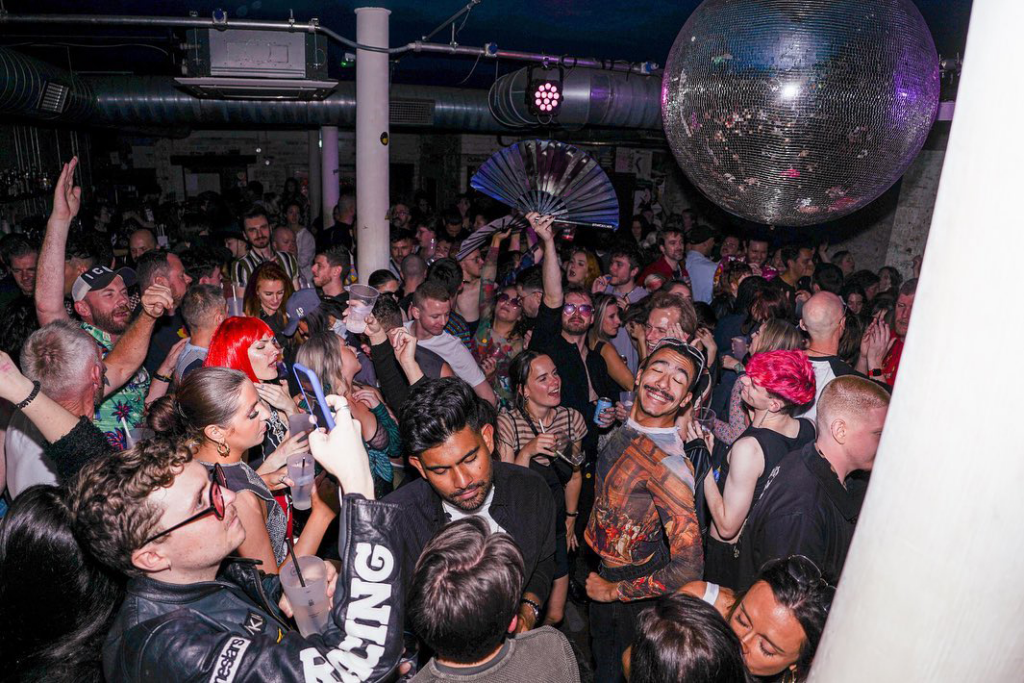
Popular queer culture has always been shaped by activism, community and the impact of the AIDS crisis. For me, joy and activism aren’t opposites: coming together to celebrate can be a powerful act of resistance, while moments of reflection and remembrance keep us connected to the struggles that shaped our community.
Where do you hope Homotopia will be by its 25th birthday, and what would you like people to take home from this year?
Having had the privilege of contributing to Homotopia’s programme for many years, I’m excited to lead Homotopia into its next chapter as it approaches its 25th anniversary. Liverpool is a city of extraordinary energy, and Homotopia is a place where experimentation and culture meet, and where queer world-making can flourish. I hope Homotopia will be. I hope audiences take home a sense of the festival’s rich history and the local icons who have shaped it, including April Ashley, Paul O’Grady, Terence Davies and Holly Johnson, alongside the excitement of discovering contemporary queer work.
Jayne’s top 5 unmissable shows…
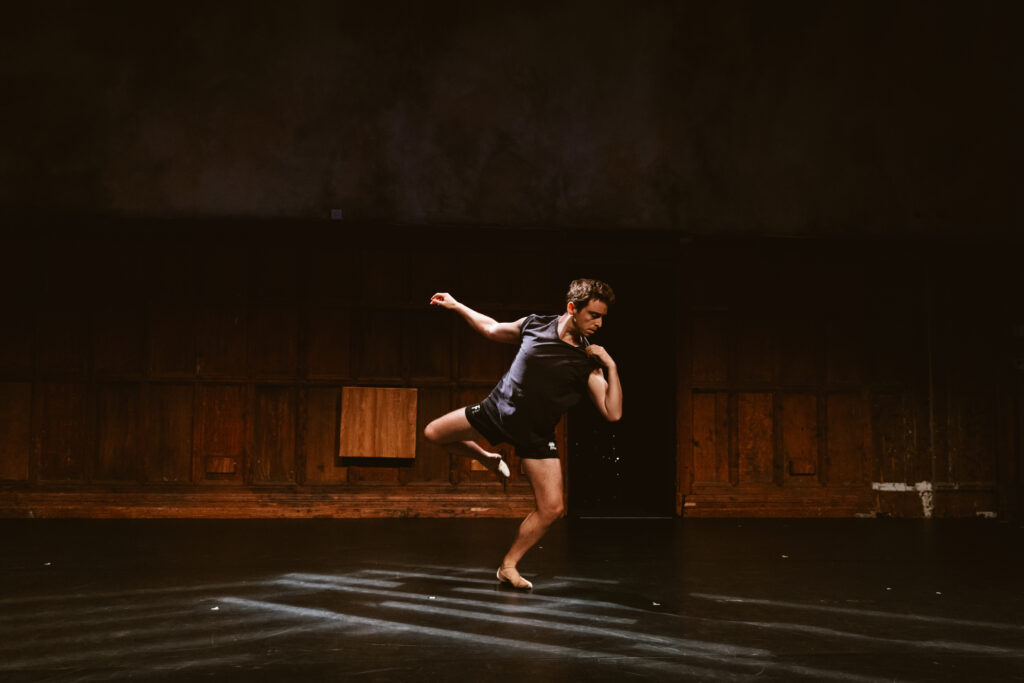
Thick & Tight: Natural Behaviour: Sat 7 Nov, Unity Theatre, £10/£7. An award-winning dance-theatre show whose cast of characters includes two moths, a pantomime horse and a lesbian seagull. Book here.
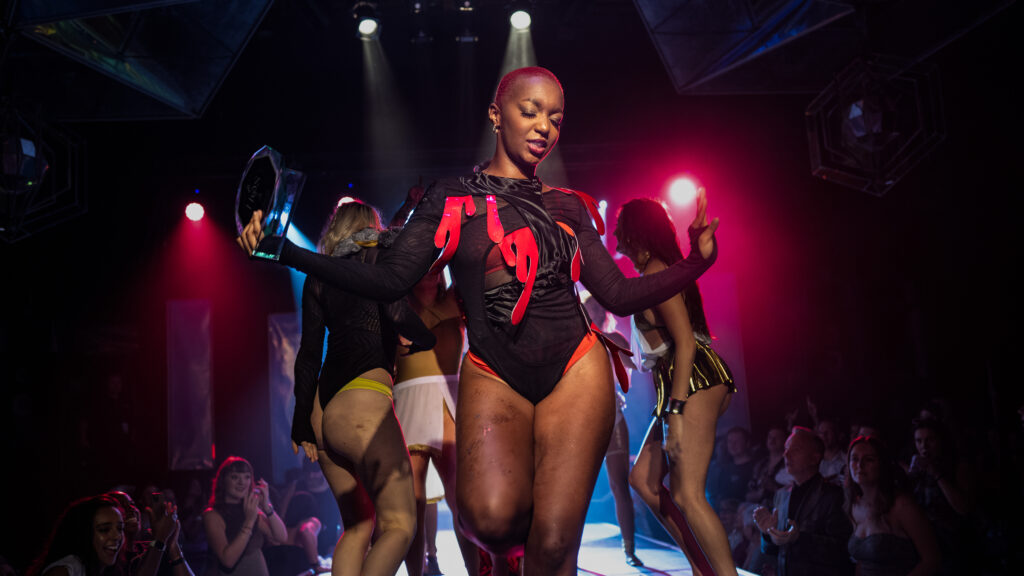
Protect Scouse Dolls: Dolls After Dark ft. Noire Gayze: Fri 13 Nov, Invisible Wind Factory, £10. A trans-led runway show and club night, followed by an R&B, dancehall and Afrobeats after-party celebrating Black queer people that runs until 2am. Book here.
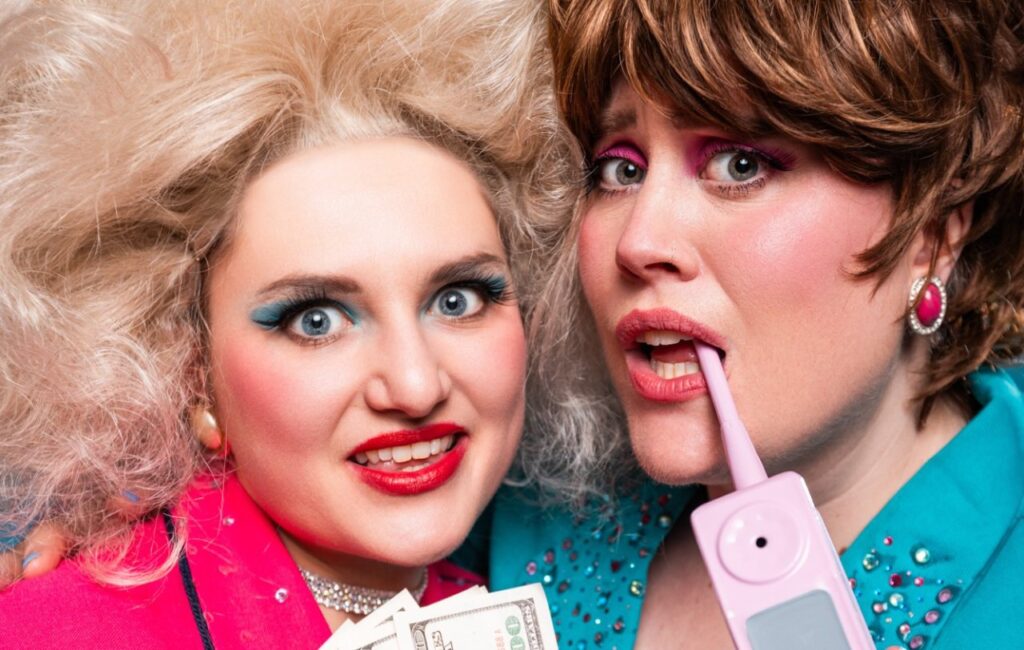
Fag Packet: DYKE Systems Ltd: Thu 19 Nov, Unity Theatre, £10/£7. A physical comedy that takes apart pyramid schemes and corporate feminism. It was picked for The Stage’s Fringe Five. Book here.
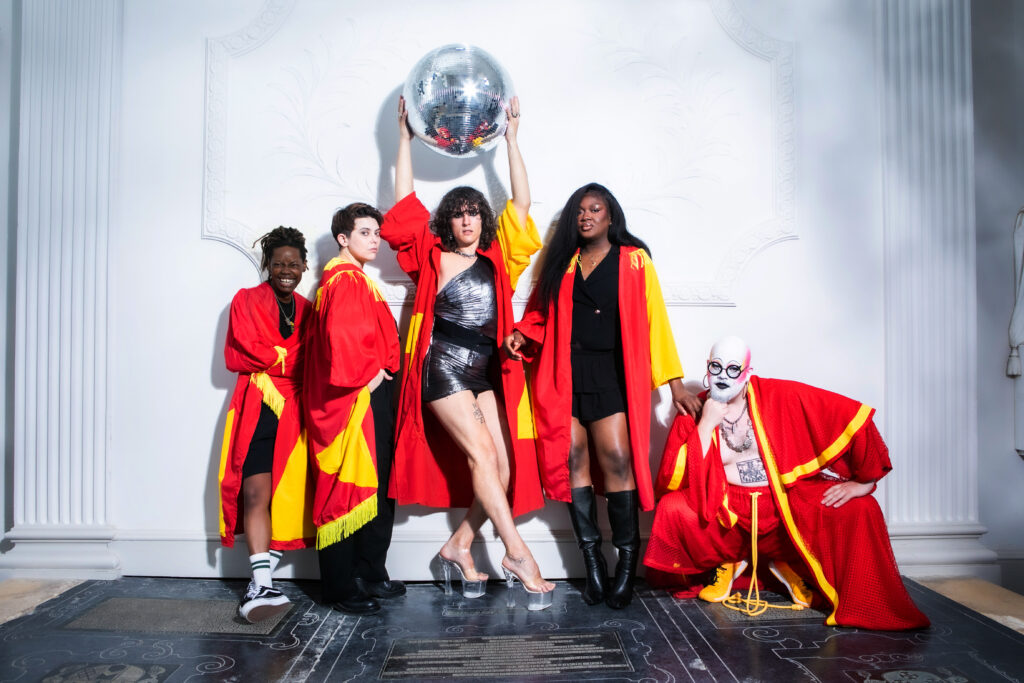
Fatt Butcher’s Congregational: Fri 20 Nov, Music Room at Liverpool Philharmonic, £11/£8, 18+. A newly written choral service for the nightclub, with a live choir of queer singers, a DJ and piano, and the Liverpool Rainbow Chorus as guests. This is probably the biggest single reason to make the journey. Book here.
EAT ME: Horrible Herstories: Fri 27 Nov, District, £15. A night of drag and cabaret that digs out the rude bits of Liverpool’s queer history. Book here.
Cookery Book Club at the Movies: Sat 28 Nov, Cobble & Hay, Port Sunlight, £65, limited seats. A five-course dinner inspired by Fried Green Tomatoes, served in converted stables. This one fits Manchester Wire’s food and drink angle perfectly. Book here.
Book tickets and explore the full programme here.
- Words:
- Ruth Allan
- Published on:
- Sun 1 Nov 2026

