England’s largest festival of history and culture returns this month, as Heritage Open Days prepares to open up some of Manchester’s most famous landmarks to the public.
Volunteers and institutions around Greater Manchester are set to host an array of fascinating, free, one-off events, tours and workshops around the city’s most significant buildings and spaces, inspired by this year’s theme of ‘Everyday Histories’.
From historic tours to Suffragette stories, here are some of the best events you can book now for the 2026 edition of Heritage Open Days.
With a collection of over 80 vehicles, including buses, lorries, a fire engine and even a prototype Metrolink tram, the Museum of Transport offers an unmissable open day experience for enthusiasts and families alike. From tickets and uniforms to a vast array of memorabilia, the museum’s diverse collection brings the story of Manchester’s transport networks to life at every level of operation.
Visitors can ride vintage vehicles during the weekend and enjoy the on-site shop and tearoom. The museum is open 10am to 4.30pm across both weekends of the festival.
Heritage Open Days teams up with family history website Findmypast for a day exploring the stories hidden in everyday lives, with the People’s History Museum offering talks, displays and a chance to delve into your own family history. Expert sessions cover local history, the Peterloo Massacre and Manchester’s suffragette movement, including the story behind the museum’s historic suffragette banner.
Elsewhere, visitors can explore Findmypast’s records for free on dedicated touchscreens, examine Peterloo artefacts including a sabre, cane, medal and commemorative jug, and delve into rare archival material selected around the theme of Everyday Histories. The event runs from 10am to 5pm, with talks available on a first come, first served basis and booking preferred.
Join the Castlefield Viaduct team for a guided walk around the area underneath the landmark railway structure, exploring the history and nature of this particularly atmospheric corner of the city. The gentle route follows established paths and pavements, with some slopes and cobbled sections around the canal.
Tours run twice daily at 11am and 2pm across six dates, although the viaduct itself is currently closed for maintenance and will not be accessible during the tour. The meeting point is beside the stairs at the corner of Duke Street and Beaufort Street, rather than at the viaduct entrance.
Manchester’s totemic Cross Street Chapel has stood at the centre of Manchester’s religious dissent since the 17th century, surviving riots, the Blitz and several rebuilds over 330 years. Its congregation included civic leaders, reformers and Elizabeth Gaskell’s husband, Reverend William Gaskell, who transformed the chapel into a hub of education and social action.
The current building, opened in 1998, sits within a modern office block and reflects its centuries of change and journey into modernity. Tours of the venue run from 12.30pm to 4.30pm, with historical information boards, guided tours and members of the congregation on hand to explain the chapel’s long connection with Manchester.
Step inside the birthplace of the suffragette movement as the Pankhurst Museum throws open its doors for free across both Sundays of the festival. Explore the parlour where the WSPU held its first meeting and enjoy hands-on activities for hobbyist historians all ages.
Families can chalk graffiti in the garden, take a suffragette selfie and explore the small but mighty museum. The museum is open 11am to 4pm, with last entry at 3pm and timed bookings every half hour.
Marking 40 years since the murder of young Bangladeshi Mancunian Ahmed Iqbal Ullah, this special screening at Manchester Central Library remembers his life, his love of football and his enduring legacy. The 1965 film Cup Fever follows youth football team Barton United as they triumph against the odds, while also offering a candid glimpse of 1960s Manchester.
The evening also brings archive material from the Ahmed Iqbal Ullah RACE Centre and Education Trust together with the screening, offering a chance to explore objects connected to football and Northern childhoods. The event runs from 5.15pm to 7.30pm, with the film screening from 6pm.
Withington Baths dates back to 1911, opening its doors in 1913 and becoming the first pool in Manchester to offer mixed bathing the following year. A century later, the much-loved building was at risk of closure before a community campaign helped secure its future, with Heritage Fund support subsequently restoring elements including the pitched pool roof and stained-glass windows.
This behind-the-scenes tour offers a glimpse into Withington’s industrial past and the hidden histories of the baths, led by one of its knowledgeable volunteers. Tours run from 2pm to 3pm on both days, with limited tickets available and step access included.
Over at the Science and Industry Museum, families can enjoy free creative activities inspired by this year’s Heritage Open Days theme, discovering the stories of the everyday people whose ideas, skills and determination shaped Manchester’s rich industrial heritage. Budding inventors can take inspiration from the museum’s historic collections and work together to design their very own heritage engine.
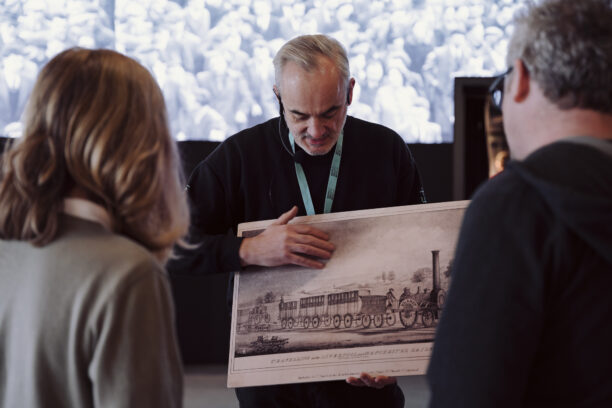
The activities form part of a wider weekend of hands-on history at Liverpool Road, with railway discovery sessions, behind-the-scenes tours and even bus rides available across the week.
Read their full Heritage Open Days programme HERE.
Take a gentle stroll through Daisy Nook Country Park and explore the history of the Hollinwood Branch Canal, from its surprising surviving features to the vital role it played in the area’s economic prosperity. The route is illustrated with old photographs, offering a glimpse into a landscape shaped by Manchester’s industrial past.
The two-hour walk meets outside the café at Daisy Nook Country Park at 11am, with much of the route following the canal towpath. Most of the walk is level or lightly sloping, while shorter routes are available around sections involving steps.
- Words:
- Bradley Lengden
- Published on:
- Fri 11 Sep 2026


The Grade II listed White House, home to Nazarene Theological College, opens for a series of exclusive guided tours exploring its Art Deco design and historic links to William Melland and Philip Godlee. Since 1959 it has been home to the College, and visitors can trace the story of its transformation.
Tours will traverse the storied grounds and interiors, with insights into how the site evolved into an educational institution. Spaces are limited, so booking is essential for the 10.30am and 11.30am sessions.